The Forecast: 2018 Trends in Staging |#StagingTrends #TalkToYourAgent #SiliconValleyAgent #YajneshRai

Facebooktwitterpinterestlinkedin

The Forecast: 2018 Trends in Staging

Home staging has gone mainstream and is now widely used to make a home more attractive to potential buyers. According to a 2017 survey by the National Association of REALTORS®, a majority of real estate professionals believe staging increases the sale price of the home anywhere from 1 to 15 percent.

But even if it doesn’t increase the value, most agents agree that staging reduces the amount of time the home sits on the market, which is music to any seller’s ears.

Not all homes need a dramatic makeover, but most homes will benefit from at least a thorough cleaning and culling.

“Staging and preparation can include as little as some fresh paint, but in most cases we also landscape, replace dated light fixtures and hardware, and in many cases refinish hardwood floors, replace countertops, bathroom fixtures, etc.,” says Nicole Kennedy, a home staging expert in Piedmont, Calif.


Read on to learn what industry and design trends we can expect in 2018.

More real estate agents get on board

Lori Matzke, founder of HomeStagingExpert.com, provides home staging workshops around the country in addition to running her own staging business in Minnesota. She’s noticed an increased interest and involvement of real estate agents in the staging process.

“Back when I started staging (in 1999), agents were not interested; they didn’t want to have one more thing on their plate,” Matzke says. “My classes are now 90 to 95 percent agents. I think you’re going to see a lot more agents learning about staging and how to advise their clients, because more and more homeowners are demanding that.”

That doesn’t mean agents will be doing the staging themselves, but they will have an eye for what is needed, and will facilitate the interaction between the seller and the stager. “It really helps the homeowner to have an educated real estate agent,” says Matzke. If the agent has prepped the seller about what needs to be removed and cleaned out, it makes the stager’s job faster and cheaper.

Complete vs. partial staging

Staging can range from small efforts like decluttering to a complete move out and refurnishing. Complete staging of vacant homes is a growing trend, according to Matzke. Whether it’s new or model homes, or the seller has moved out, many stagers today only work with vacant homes.

In the booming Bay Area housing market, Kennedy says buyers are accustomed to short sales cycles, so having the home primed and ready is expected.

“Fewer than 10 percent of homes I stage are partial–where we keep some of the furniture and belongings, edit out and add in where needed,” notes Kennedy. “This can be challenging because the staging has to fit in with existing styles and pieces, but it can make more sense to sellers who are staying in the house through the sale.”

Matzke says the complete staging trend isn’t limited to hot real estate markets.

“It’s been trickling down into smaller markets, not just in the larger metropolitan areas,” she notes. The ubiquity of staging on HGTV shows has probably made the idea more palatable to sellers and agents across the county.

Embracing a personal touch

One of the golden rules of staging has long been to keep things neutral to appeal to the widest range of potential buyers. But stagers are increasingly adding a little more design, style, and color to the home.

“Staging is becoming a bit more personal and less stale than it has been in the past,” Kennedy says. “It used to be standard to remove all family photos and personal items from the house, but today’s buyers prefer to see a house with a little personality. They want to see a ‘real’ house that they can imagine themselves in and small, personal details that create an aspirational image can help reach buyers on an emotional level.”

Matzke agrees. “It’s becoming trendy for stagers to do a little mixing with vintage pieces to give it a designer look. I think it gives the place more depth and I’m seeing more chatter about it on blogs.”

Following the design trends

While most of the staging do’s and don’ts will remain the same in 2018, our experts expect some new design trends to emerge in many staged homes next year:

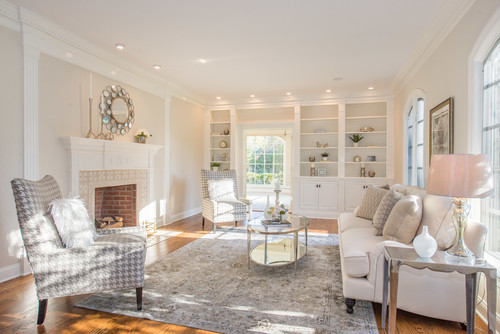
  • Color: After a few years in which just about every design magazine is covered in gray, Matzke has a bold prediction: Gray is dead. “People are embracing beige and creamy white again,” she says. “I think that’s good because not everybody’s furniture fits with gray.”

Stagers are also increasingly adding a pop of color or an upscale design element to appeal to design-conscious buyers.

“Adding a pop of color in a room through accessories or artwork is common,” says Matzke. “The two big colors I think you’ll see a lot of in 2018 are dark teal and millennial pink … especially if you’re marketing to first-time homebuyers or a younger crowd, you might want to add those colors.”

  • Floors: It used to be that preparing a home for sale meant replacing old, stained carpet with new carpet, but Matzke says that, too, is changing. “A lot of people are replacing carpeting with wood and faux wood flooring–at least on the main floor,” she adds.
  • Countertops: While quartz is the latest countertop trend among high-end homes for 2018, Matzke thinks most of America will stick with granite next year because of cost.  “Design magazines are pushing quartz, saying it’s going to be the hot trend for 2018,” Matzke says. “And for the really high-end homes they’re probably right, but for a majority of America, I think it’s still going to be granite.”
  • Glam: Although it sounds counter to the rule of keeping things neutral, HGTV and design magazines have popularized a bit of glam. “For a long time you’ve seen people adding a little bit of rustic, heavy metal designs, but now you’re seeing a lot more shiny metallics,” Matzke says. “Even gold–it adds a bit of bling to the house.”
Facebooktwitterpinterestlinkedin

Experts: 2018 Mortgage Rates to Surpass 4.5% | #RatesGoingUp #TalkToYourAgent #SiliconValleyAgent #YajneshRai

Facebooktwitterpinterestlinkedin

Experts: 2018 Mortgage Rates to Surpass 4.5% | Realtor Magazine

The recent tax bill could cause the Federal Reserve’s rate increases to come faster—mortgage rates are expected to go up three or four times in 2018. This could push 30-year mortgage rates up past 4 percent in the new year.

Mortgage rates typically follow the Treasury yield. The federal funds rate sets the stage for the path mortgages will take. The Mortgage Bankers Association forecasts that mortgage rates will go up, but will stay below 5 percent.

“The Federal Reserve has begun reducing its holdings of Treasury securities and mortgage-backed securities, and this will put additional, modest upward pressure on mortgage rates,” said the MBA’s Chief Economist Mike Fratantoni. “We expect that the 10-year Treasury rate will stay below 3 percent through the end of 2018, and 30-year mortgage rates will stay below 5 percent.”

According to the MBA’s predictions, rates will increase to 4.6 percent in 2018, 5 percent in 2019, and 5.3 percent in 2020. The National Association of REALTORS® predicts rates to end the year at 4.5 percent, while realtor.com® expects mortgage rates to average 4.6 percent throughout the year and hit 5 percent by the year’s end.

Facebooktwitterpinterestlinkedin

Wealth Surge Boosts Second-Home Market | #SecondHomes #TalkToYourAgent #SiliconValleyAgent #YajneshRai

Facebooktwitterpinterestlinkedin

Wealth Surge Boosts Second-Home Market | Realtor Magazine

Over the past 12 months, many well-off Americans have been getting wealthier. The United States added more than a million new millionaires over the past year as stock prices rose, according to the Global Wealth Report published last month by Credit Suisse.

That has helped fuel increases in many second-home markets across the country. Hawaii and Colorado may be the two luxury markets that saw the largest upticks in 2017, according to data from realtor.com®.

Indeed, Maui, Hawaii, and Eagle County, Colo., were the two markets that posted the nation’s fastest luxury price growth. The two locales even trumped traditional luxury hubs like New York and San Francisco. (Luxury sales are defined as the top 5 percent of sales in a given metro area.)

Luxury home prices in Maui rose almost 33 percent, reaching an average of $2.49 million in 2017 compared to the year prior, according to realtor.com®. Other Hawaiian islands also ranked within the top 10. Kauai ranked number four in the nation, posting a 25 percent increase in average luxury prices in 2017. Hawaii’s Big Island also ranked number five with a 24.8 percent price increase last year.

Eagle County, Colo., which is home to ski resorts like Vail and Beaver Creek, ranked number two on the list. Average luxury prices jumped there by 31.5 percent in 2017 to $2.89 million. “More than anything, people look at property here as a blue chip asset in a real estate portfolio,” Matthew Blake, a Vail-based broker for LIV Sotheby’s International Realty, told Mansion Global.

Facebooktwitterpinterestlinkedin

Wet vs. Dry Bars: Outdated or On-Trend? | #IndoorBars #TalkToYourAgent #SiliconValleyAgent #YajneshRai

Facebooktwitterpinterestlinkedin

Wet vs. Dry Bars: Outdated or On-Trend? | Realtor Magazine

Entertainment areas—wet bars and dry bars—are places to prepare beverages for guests. But these spaces may be losing appeal and could make your listing look dated, designers say.

First, make sure you know the difference between a wet bar versus a dry bar. Simply enough, a wet bar has a sink, allowing glasses to easily be rinsed, while a dry bar does not.

Home bars became trendy in the 1970s and 1980s. More homeowners outfitted their basements with rec rooms and added these beverage spaces.

But some real estate pros don’t advise adding one in to sell a house. They say the amenity can look dated. With open kitchens and living areas, installing a second sink for a wet bar is often viewed as unnecessary, since the kitchen sink tends to be nearby.

“Almost no one is installing a traditional wet bar in their home,” Rikki Klein, a Los Angeles bar designer and builder, told realtor.com®. “Wet bars can be pretty unnecessary and redundant for the modern style of entertaining.”

But they’re not totally extinct. With the growing popularity of outdoor kitchens, wet bars are becoming a trendy addition outside the home.

Also, these add-on spaces may be viewed as more sought-after in a man cave or entertainment room, particularly a dry bar.

“The trend is leaning toward a dry bar, where favorite liquors and glassware are artfully and conveniently displayed,” says Klein.

A dry bar would be relatively easy to stage, too. Just mark a dedicated spot to display bar wares, add a beverage refrigerator, and have a little counter and cabinet space. No extra plumbing is required with a dry bar. A dry bar can also be viewed as multifunctional for storing other home supplies. Some homeowners are even modifying the back of their kitchen island or counter with some shelves or rollout drawers for a dry bar.

Facebooktwitterpinterestlinkedin

4 Surefire Tips for Better Listing Photos | #BetterPictures #TalkToYourAgent #SiliconValleyAgent #YajneshRai

Facebooktwitterpinterestlinkedin

4 Surefire Tips for Better Listing Photos | Realtor Magazine

It can’t be stressed enough: Great photos help sell homes. The National Association of REALTORS®’ own research shows that well over 90 percent of home shoppers look online for at least a part of their search. For almost half of all buyers, accessing digital listings is the very first step in their process. And while there’s been much speculation as to the homebuying behaviors of millennials, this much is known for sure: Digital natives are much more comfortable with browsing home listings from mobile devices.

None of this is breaking news, but it does highlight just how important digital representation can be when you’re trying to show a home. One industry study found that when listings were accompanied by high-quality photos taken with professional equipment, they spent significantly less time on the market and fetched a premium of $3,400 on average.

Unfortunately, interior shots pose a variety of photographic challenges that are difficult for amateur photographers. Real estate pros shouldn’t be expected to transform overnight into professional camera wielders, but you can certainly benefit from a few tricks up your sleeve and some decent equipment.

Don’t Turn Toward the Light

This scenario might feel familiar: You want to show off the new windows in your client’s living room, but every time you snap a photo, the image is totally blown out. Photos with dark foregrounds and overexposed windows are a common problem that happens when ambient light from the outdoors tricks the camera’s light meter into overcompensating. A flash will balance out the lighting in the room, giving you a better shot. Alternatively, you can use your camera’s manual controls and settings. The right settings depend on the kind of equipment you have, however. For many point-and-shoot digital cameras, it’s mainly a matter of adjusting the ISO, although you may want to set the aperture to f/2.8 as well, if your camera offers that flexibility. For shots near a window, typically an ISO setting of around 400 to 800 works well, although you may want to go higher if you have particularly low light in the foreground. If you have full manual control of your camera, you can increase the shutter speed, which will allow less light into the camera sensor.

Try HDR Tonemapping

The main problem with photographing daylit interiors is that it’s difficult to balance between ambient daylight, artificial lighting, and dark shadows behind walls and in rooms away from the foreground. This situation presents a range of different exposures, and while the human eye automatically adjusts for the various levels, the camera will have a hard time making sense of it all. HDR, which is short for high dynamic range, is a common tool for handling such lighting situations. In essence, the photographer takes three or four photos in rapid succession, which are then combined into one image using specialized software like HDRSoft. Usually, one shot is at normal exposure, one is overexposed, and one underexposed. When those three exposures are combined into one, you’ll see all the details that the human eye can perceive. This results in photos with a vibrant, luminous quality.

Many point-and-shoot cameras have an exposure value meter, which can help you compose under- and overexposed shots. Generally, the meter reads a value of zero on the normal setting, +1 or +2 for overexposed shots, and —1 or —2 for underexposure. Use a tripod so you can play with different exposures while maintaining the same angle on each shot. You’ll also want to make sure automatic flash is turned off for this method. It takes time to perfect this technique, of course, but it can help you capture more detail in challenging settings.

Buy the Right Equipment

Unless you have a surgeon’s steady hands, you’re going to need a tripod in some situations. A tripod helps compose poised shots and avoid blurry photos, but it’s also incredibly important if you’re dabbling in HDR or mixing up shutter speeds. The longer your exposure time, the more likely it is that subtle movements will show up in the final product. You should use a tripod anytime you nudge the ISO to a higher range. Also, if you’re taking wide shots of the home’s exterior or enlarging your photos, even the tiniest shake will be a lot more obvious. In certain conditions, even the slightest breath can create a shaky shot. Avoid this dilemma with a lightweight foldable tripod.

You may also want to invest in a point-and-shoot with a wide-angle lens. When buyers are browsing through real estate listings, they really want to get a sense of the space. But that’s difficult to translate into photos unless you have a wide-angle option. This is important not just for exterior shots but for indoor compositions as well. A wider lens in the interior gives rooms a sense of luxury and space that you just can’t get with a regular shot. Point-and-shoot cameras that have a large range in their focal length specification are ideal; the lower the value at that end of the range, the wider the shot will be.

If you’re really interested in refining your shots, you’ll want a camera with manual controls that allow you to adjust shutter speeds on your own. Or it may be time to graduate to a digital single-lens reflex camera, especially if you want to experiment with wide-angle lenses (with focal lengths under 35mm, used for very wide shots). DSLRs have come down in price recently, especially since manufacturers like Canon and Nikon have introduced entry-level DSLRs aimed at beginner photographers. Usually these run for around $300 to $700, and they are available with bundled lens kits to get you started trading out lens lengths for sharper photos.

Get Rid of the Clutter

Staging photos ahead of time by cleaning off counters, tabletops, and floors can turn an ordinary listing into a real stunner. Clear your photography appointment with your client before you arrive, and tell them to clean, clean, clean. Even a detail as minute as a crooked picture frame or a rolled carpet edge can detract from your photos, so be sure to run over your shots with a fine-toothed comb. Decluttering means no power cords or vacuum cleaners in the shot—but it doesn’t mean completely sterile surfaces. A few welcoming touches like a stack of books, a vase of flowers, or a set of candles will make the space feel lived-in and homey. After all, that’s what you’re really selling anyway: a vision of buyers’ future lives in a new and welcoming abode.

Facebooktwitterpinterestlinkedin

Top 5 Benefits of Hiring a Real Estate Agent | #BenefitsOfHiringAgent #TalkToYourAgent #SiliconValleyAgent #YajneshRai

Facebooktwitterpinterestlinkedin

Keeping Current Matters | Top 5 Benefits of Hiring a Real Estate Agent

The National Association of Realtors (NAR) recently released their 2017 Profile of Home Buyers and Sellers in which they surveyed recent home buyers and sellers about their experiences. An entire section of the profile is dedicated to buyers’ experiences with their real estate agents.

If you are looking to buy in 2018, here are the top 5 benefits of using a real estate agent when buying your dream home as cited by recent buyers:

1. Helped the buyer understand the process – 60%

If you are new to the home buying process, an experienced real estate professional can explain exactly what to expect during the entire transaction so you aren’t caught off guard.

2. Pointed out unnoticed features/faults with the property – 56%

Whether it’s pointing out possible uses for an extra bedroom/office, or using their trained eye to see potentially disastrous hazards that may be hiding out of site, your agent is there to protect your interests and make sure your home buying experience is a good one.

3. Negotiated better sales contract terms – 47%

When it comes to negotiating the complex terms of your contract and coming to an agreement with the seller, it never hurts to have someone who has been there before on your side. If earlier in your search you found a couple of less than desirable features on the home you are going to purchase, your agent can make sure that contingencies are in place for you to pay the best price. Their analysis of comparable properties in the area will also help to make sure that your dream home is priced properly for the market.

4. Provided a better list of service providers – 46%

Real estate agents are titans of networking. Many have a list of preferred providers who they have worked with in the past and who they trust to work as a part of your team to make your dream come true. This can include mortgage professionals (listed as the #8 reason to use an agent at 22%), home inspectors, plumbers, contractors, painters, landscapers, home stagers, and so many more!

5. Improved the buyer’s knowledge of search areas – 44%

Local real estate professionals are often members of community organizations and are usually well versed in their area’s history. Their ties to the community make them a great resource whether you plan to relocate to a new area or across town.

Bottom Line

If your plans for 2018 include purchasing your dream home, start your search for a local real estate partner who can help you make the most powerful and confident decisions for you and your family.

Facebooktwitterpinterestlinkedin

Higher Loan Limits Coming Jan. 1 | #HigherLoanLimits #TalkToYourAgent #SiliconValleyAgent #YajneshRai

Facebooktwitterpinterestlinkedin

Higher Loan Limits Coming Jan. 1 | Realtor Magazine

Real estate professionals have some good news to share with their clients. On Jan. 1, buyers will be able to get much larger mortgages, whether they’re applying for conventional or FHA-backed loans.

Each year, Fannie Mae and Freddie Mac adjust their limits for conventional, conforming loans based on changes in median home prices. For 2018, the companies are increasing loan limits nearly 7 percent, to a maximum loan amount of $453,100. That’s up from $424,100. In the country’s most expensive markets, such as San Francisco and New York, loans can go as high as $679,650. (Special rules apply in Alaska, Hawaii, and some U.S. territories, which are eligible for even higher limits.)

View a county-by-country chart of 2018 Fannie, Freddie loan limits.

Most home loans are conforming, conventional loans, so the higher limits should help most borrowers. Conventional loans that exceed these limits are considered jumbo loans and aren’t backed by the federal government. That can make them pricier to get.

The Federal Housing Administration is statutorily required to peg its loan limits to Fannie and Freddie’s limits, so it will also start backing higher loans starting Jan. 1. Its loan limits are the same as those of Fannie Mae and Freddie Mac: $453,100 in most areas and $679,650 in high-cost areas.

Facebooktwitterpinterestlinkedin

Owners Rush to Prepay Property Taxes Before Losing Benefits | #TakeAdvantageThisYear #TalkToYourAgent #SiliconValleyAgent #YajneshRai

Facebooktwitterpinterestlinkedin

Owners Rush to Prepay Property Taxes Before Losing Benefits | Realtor Magazine

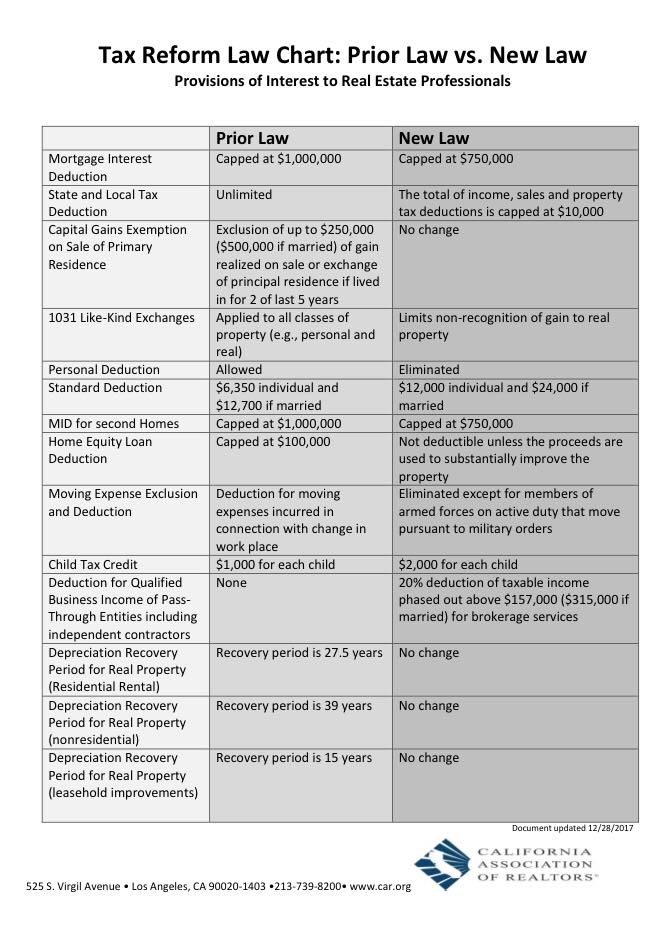
With tax reform signed into law, homeowners in areas with high property taxes are scrambling to prepay their 2018 tax bill in order to take advantage of deductions that will be severely curtailed once the legislation takes effect Jan. 1. The new tax law, which Congress passed and President Donald Trump signed last week, caps the amount of state, local, and property taxes that homeowners can deduct at $10,000.

Some counties already allow for prepayment of taxes, while others are rushing to provide residents the ability to do so after strong demand. For example, local officials in Montgomery County, Md., say they’re fielding requests to prepay taxes for the first time ever, which prompted them to hold a special meeting the day after Christmas to come up with a plan.

“It just never came up [before],” George Leventhal, a Montgomery County councilman, told CNNMoney. “No one was saying, ‘Please let me make early payment of a bill I don’t owe yet.’ Wise cash management suggests you should pay closer to the due date, not farther away. But because of this change, it seems it could be possible that people could derive some benefit and deduct their property taxes for next year in 2017.”

Nearly half of the county’s taxpayers have more than $10,000 in combined state and local taxes, Leventhal says.

Still, there’s no guarantee homeowners who prepay their 2018 property taxes will be able to deduct the payment. On Wednesday, the IRS posted to its website an advisory notice that said prepaying property taxes will work only under limited circumstances. To qualify for the deduction, property taxes will need to be paid in 2017—but they also must be assessed in 2017. That means homeowners who prepaid their taxes based on estimated assessments or who tried to pay several years’ worth of taxes at once will likely still face the new limited deductions, The New York Times reports. 

Facebooktwitterpinterestlinkedin

Are Hardwood Floors Expected Nowadays? | #HardWoodFloors #TalkToYourAgent #SiliconValleyAgent #YajneshRai

Facebooktwitterpinterestlinkedin

Are Hardwood Floors Expected Nowadays? | Realtor Magazine

Real estate professionals say that hardwood floors can pay off when it comes to selling a home. They’re a “bling feature,” particularly in living rooms and dining rooms, and in a master suite they “could help win a buyer’s offer,” Janice Caputo, a real estate pro with Coldwell Banker Real Estate Services in Pittsburgh, told realtor.com®.

Read more: How to Choose the Right Stain for Hardwood Flooring

“Most buyers nowadays are expecting hardwood,” Matt Laricy, a real estate pro with Americorp Real Estate in Chicago, told realtor.com®. “They want things move-in ready, and don’t want to do any work. Seeing carpet could make them pass on your place.”

Alex Biyevetskiy, a home remodeling expert with RemodelingImage.com, says new hardwood floors can even add up to 2.5 percent to a home’s sale price. The National Association of REALTORS®2017 Remodeling Impact Survey also rated refinished hardwood flooring as one of the projects that are most appealing to home buyers. 

Hardwood flooring can be expensive to install, however. Kimberly Villa, marketing manager for Kaminskiy Design and Remodeling in San Diego, says the average cost of popular woods like oak, maple, walnut, or cherry is about $5 to $10 per square foot. For installation, add about $4 to $8 per square foot. 

“While this may seem a little pricey for an initial investment, you must take into consideration the fact that these floors can outlive you,” Villa says. “They will also increase the market value of your home quite a bit. Old carpets can be a major eyesore and can really turn a home buyer off. They can also negatively impact those who have allergies. Invest in hardwood flooring now, and reap the benefits for decades to come.”

Facebooktwitterpinterestlinkedin